If you’ve ever worn a cozy wool sweater on a chilly morning or wrapped yourself in a warm wool blanket on a cold night, you already know one thing: wool feels good. But what you might not realize is that wool offers far more than just warmth.
From improving your sleep quality to protecting the planet, the benefits of wool go way beyond what most people expect. In fact, wool might be one of the most underrated natural materials on Earth.
And if you’re into crafts like wool felting, the benefits get even better—both for your creativity and your well-being.
Let’s dive into why wool is so special, starting with how it affects your body, then exploring its impact on the environment, and finally looking at how it can even help you relax and create.
What Exactly is Wool?
Before we get into the benefits, let’s clarify what we’re talking about. Pure wool comes from sheep (and sometimes other animals like alpacas or goats). It’s a natural protein fiber, which means it’s completely different from synthetic materials like polyester or acrylic.
Wool has been used by humans for thousands of years—and for good reason. It’s renewable, biodegradable, and packed with properties that modern science is only beginning to fully appreciate.
Benefits of Wool for Human Health and Comfort
Let’s start with the most personal benefits: how wool affects your body and daily life.
1. Naturally Temperature-Regulating
One of the most amazing benefits of wool is its ability to regulate temperature. Unlike synthetic fabrics that trap heat and moisture, wool fibers are crimped and naturally breathable. They create tiny air pockets that insulate you in the cold and release heat when you’re warm.
In practical terms, this means:
In winter: Wool keeps you warm without overheating.
In summer: Wool wicks moisture away from your skin, helping you stay cool and dry.
This is why wool is popular for base layers, sleepwear, and even bedding. It helps your body maintain a stable, comfortable temperature all night long.
2. Moisture-Wicking and Breathable
Wool can absorb up to 30% of its weight in moisture without feeling wet. The fibers pull sweat away from your skin and release it into the air, keeping you dry and comfortable.
This is a huge advantage over cotton, which stays wet, and polyester, which traps odor-causing bacteria. Wool’s breathability also makes it a great choice for people who are active or tend to overheat at night.
3. Hypoallergenic and Resistant to Dust Mites
For people with allergies or sensitive skin, wool is often a lifesaver. Pure wool naturally resists dust mites, mold, and mildew—common triggers for allergies and asthma.
Because wool fibers are coarse on a microscopic level, dust mites simply can’t settle in them the way they do in cotton or synthetic bedding. This makes wool mattresses, pillows, and blankets an excellent choice for anyone looking to reduce allergens in the home.
Additionally, wool contains lanolin, a natural wax that has mild antibacterial properties. While most modern wool products are processed to remove lanolin, the fiber’s structure still resists bacterial growth better than synthetics.
4. Fire-Resistant and Safe
Here’s a safety benefit most people don’t know about: wool is naturally flame-resistant.
Unlike synthetic fabrics that can melt and stick to the skin when exposed to heat, wool is difficult to ignite. If it does catch fire, it tends to self-extinguish rather than spread flames. This makes wool a safer choice for children’s clothing, blankets, and upholstery.
5. Reduces Static and Dust
If you’ve ever worn a polyester sweater and watched it cling to everything—or spark in dry weather—you’ve experienced static electricity. Wool naturally resists static buildup, which means it doesn’t attract dust or lint the way synthetic fibers do.
For people with respiratory sensitivities, this is a real advantage. Less static means less dust clinging to your clothes and bedding.
Benefits of Wool for Animals and the Planet
Beyond human comfort, wool has some remarkable environmental advantages. This is where we start to see why choosing wool is also a choice for sustainability.
6. A Renewable Resource
Sheep grow wool every year. Unlike petroleum-based fibers (like polyester, nylon, and acrylic), which rely on non-renewable fossil fuels, wool is constantly regenerated.
When sheep are sheared, it’s a necessary part of their care—overgrown wool can lead to health problems, especially in warmer months. Responsible sheep farming supports animal welfare while producing a material that can be harvested year after year.
7. Biodegradable and Plastic-Free
One of the most critical benefits of wool for the environment is that it biodegrades.
When a wool product eventually wears out, you can compost it. In soil, wool breaks down naturally in a matter of months, releasing nitrogen and other nutrients back into the earth.
Compare that to synthetic fibers: a polyester fleece jacket can take 200 years or more to decompose, shedding microplastics into waterways along the way. Wool leaves no plastic behind.
8. Supports Sustainable Grazing and Soil Health
Sheep grazing, when managed responsibly, can actually improve land health. Grazing sheep help maintain grasslands, prevent overgrowth, and promote biodiversity. Many wool producers today follow regenerative farming practices that restore soil carbon and support healthy ecosystems.
By choosing wool, you’re indirectly supporting agricultural systems that can be part of the solution to climate change—not contributors to it.
9. Lower Carbon Footprint Than Synthetics
While all manufacturing has some environmental impact, wool’s overall footprint is often lower than that of synthetic fibers. Polyester production is energy-intensive and relies on crude oil. Wool, by contrast, comes from animals that can be raised on land unsuitable for crops, and the fiber requires less chemical processing than many people assume.
Additionally, wool’s durability means wool products tend to last longer. A well-made wool sweater can be worn for decades, reducing the need for fast-fashion replacements.
Benefits of Wool Felting: From Material to Mindfulness
Now let’s talk about wool in a different form: wool felting.
If you’re new to the craft, wool felting is the process of matting wool fibers together using a special barbed needle (needle felting) or soap and water (wet felting). It’s an ancient technique that has seen a huge resurgence in recent years—and for good reason.
If you’re looking for a creative hobby that’s accessible and deeply rewarding, wool felting for beginners is a fantastic place to start. And the benefits go far beyond the finished project.
10. A Calming, Meditative Activity
One of the most surprising benefits of wool felting is how it affects your state of mind.
The repetitive motion of poking wool with a felting needle—or gently rubbing fibers together in water—has a naturally calming effect. It’s similar to knitting or painting: it draws your focus to the present moment, giving your brain a break from stress and overthinking.
Many people describe wool felting as a form of active meditation. You’re not just making something; you’re also giving your mind time to reset.
11. Accessible and Forgiving
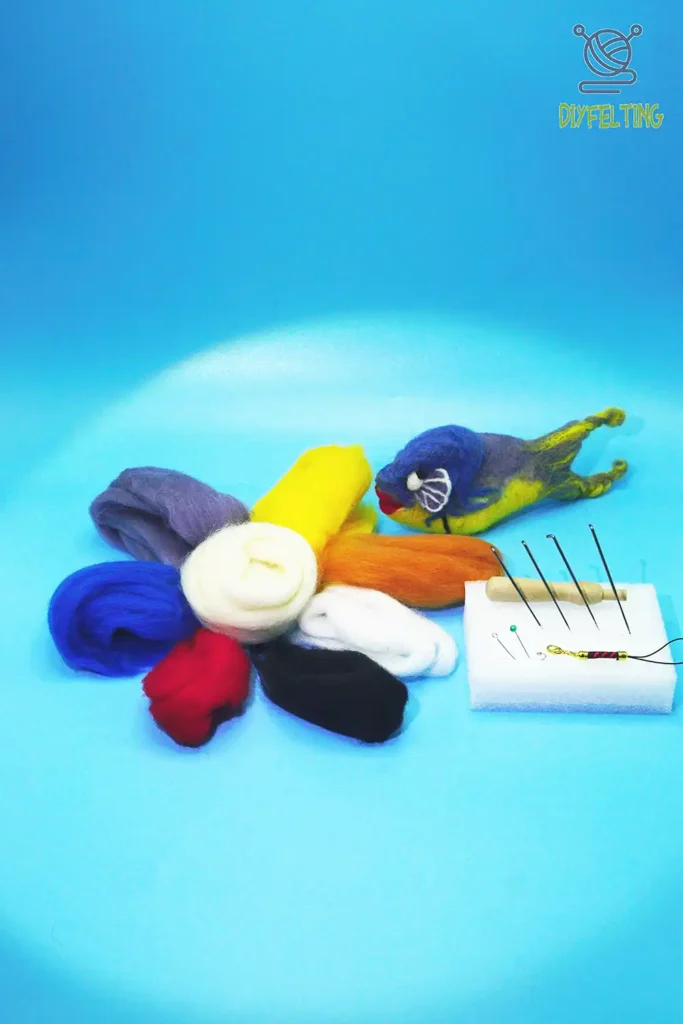
Unlike some crafts that require expensive equipment or years of practice, wool felting is surprisingly easy to pick up. With just a felting needle, a foam pad, and some wool roving, you can start creating within minutes.
And if you make a mistake? You can poke it again. Wool is incredibly forgiving. You can reshape, add more fiber, or even start over without wasting materials. That low-pressure nature makes it especially appealing for beginners or anyone looking for a creative outlet without perfectionism.
12. Creates Durable, Natural Products
Felted wool is strong, durable, and naturally water-resistant. Whether you’re making ornaments, toys, coasters, or decorative pieces, wool felt holds its shape and lasts for years.
And because it’s pure wool, your creations are biodegradable. When they’ve been loved to the end of their life, they can return to the earth—unlike plastic-based craft materials that linger in landfills.
13. Connects You to Natural Materials
There’s something grounding about working with natural fibers. Wool feels warm in your hands. It smells like the earth. It doesn’t have the harsh chemical smell of synthetic craft supplies.
For many crafters, that sensory experience is part of the appeal. In a world full of screens and synthetic everything, wool felting offers a tactile connection to something real.
Why Choose Wool? A Summary
Whether you’re wearing it, sleeping on it, or crafting with it, wool offers a remarkable combination of benefits that few other materials can match.
Here’s a quick recap of the benefits of wool we’ve covered:
For your body: temperature-regulating, moisture-wicking, hypoallergenic, and flame-resistant.
For the planet: renewable, biodegradable, supportive of sustainable farming, and free of microplastics.
For your mind: wool felting provides a calming, creative outlet that’s accessible and deeply satisfying.
Final Thoughts: A Small Choice with Big Impact
In a world where so many products are designed to be disposable, wool stands out as something different. It’s durable. It’s natural. It’s made from renewable resources and returns to the earth without harming it.
Choosing wool—whether in your wardrobe, your home, or your craft projects—is a small but meaningful way to align your choices with your values.
And if you’ve been curious about trying wool felting, there’s never been a better time to start. With just a few simple tools and some pure wool roving, you can experience the joy of creating something beautiful with your own hands—while reaping all the benefits this amazing fiber has to offer.
Looking for high-quality wool felting kits to get started? Check out our collection of beginner-friendly kits, designed to help you experience the benefits of wool firsthand.