Ready to Level Up? Let's Begin.
Needle Felting Starter Kit vs. Buying Supplies Separately: Which Is Better for Beginners?
If you’re new to needle felting, one of the first questions you’ll ask is: Should I buy a complete needle felting starter kit, or is it smarter to purchase wool, needles, and tools separately?
It’s a fair question. Walk into any craft store or browse online, and you’ll see both options everywhere. The short answer? For absolute beginners, a kit is almost always the better starting point—provided you pick the right kit for your skill level. But once you’ve gained some experience, buying supplies separately gives you freedom and flexibility that a pre-packaged set can’t offer.
I learned this the hard way. My own journey went from a disastrous first kit to a successful second, and eventually to building my own stash of supplies. That experience taught me not only the practical differences between kits and separate purchases, but also the single most important factor that determines whether you’ll stick with this craft or give up in frustration.
Let me take you through my story—and more importantly, the clear-headed comparison you need to make the right choice for yourself.
My First Kit: A Realistic Dog (A Classic Beginner’s Mistake)
When I first decided to try needle felting, I had absolutely no idea what I was doing. I didn’t know what roving was, I couldn’t tell a felting needle from a sewing needle, and I’d never used a foam mat in my life.
But I saw this gorgeous kit online—a lifelike puppy with floppy ears and soulful eyes. The product photos were stunning. I thought, “How hard can it be?”
Very hard, as it turned out.
The kit arrived with beautiful wool, a couple of needles, a mat, and a fold-out instruction sheet. The materials were perfectly fine. The problem was me. That realistic dog required sculpting a skull, layering muscle shapes, blending multiple colours, and forming tiny paws. I had zero experience with any of that.
I stabbed that wool for hours. The face caved in. One ear ended up twice the size of the other. The legs looked like toothpicks. When I finally held up my “creation,” my son burst out laughing and called it a “beanpole dog” —his way of saying it was impossibly skinny and misshapen.
I wanted to quit. But instead, I kept that ugly dog on my shelf as a reminder: choosing the wrong kit for your actual skill level is a recipe for disappointment. The kit wasn’t bad; it was just way too advanced for a first-timer.
My Second Kit: A Cartoon Sheep (The Turning Point)
I almost gave up entirely. But I decided to give it one more shot—this time with a much simpler project. I picked a cartoon-style sheep—round, chunky, no realism required. The kit still said “beginner,” but honestly, it was still a bit challenging for me at that stage. However, the pre-portioned wool, clearer instructions, and forgiving shape made all the difference.
It wasn’t perfect, but it actually looked like a sheep—a chubby, slightly lopsided sheep, but undeniably a sheep. I gave it to my husband, and he hung it on his car’s rearview mirror. That was over a year ago. It’s still there today, bouncing around on his daily commute.
That sheep taught me a critical lesson: the right project for your current level makes the difference between frustration and pride. My first kit was too advanced; my second was still a stretch, but it was manageable. And because I finished it, I gained the confidence to keep going.
From Kits to Separate Supplies: My Graduation
After the sheep, I was hooked. I completed a few more kits—a mushroom, a tiny bird, a simple cartoon fox. Each one taught me a little more about how much wool to use, how to blend colours, and which needles worked best for different details.
By the time I finished my fourth kit, I realised I had accumulated three identical foam mats and a pile of duplicate needles. I didn’t need another pre-packaged set. I knew exactly which colours I used most, and I wanted to design my own original creatures.
So I started buying needle felting supplies separately—a big bag of core wool (cheap, undyed, perfect for building bases), a few of my favourite colours in bulk, and a set of mixed-gauge needles. That was my graduation. I could finally make whatever I imagined, without being tied to someone else’s project design.
But here’s the key: I wouldn’t have known what to buy if I hadn’t started with kits. Those kits weren’t a waste—they were tuition. They taught me my preferences, my limits, and the skills I needed to eventually go solo.
What’s Actually in a Needle Felting Starter Kit?
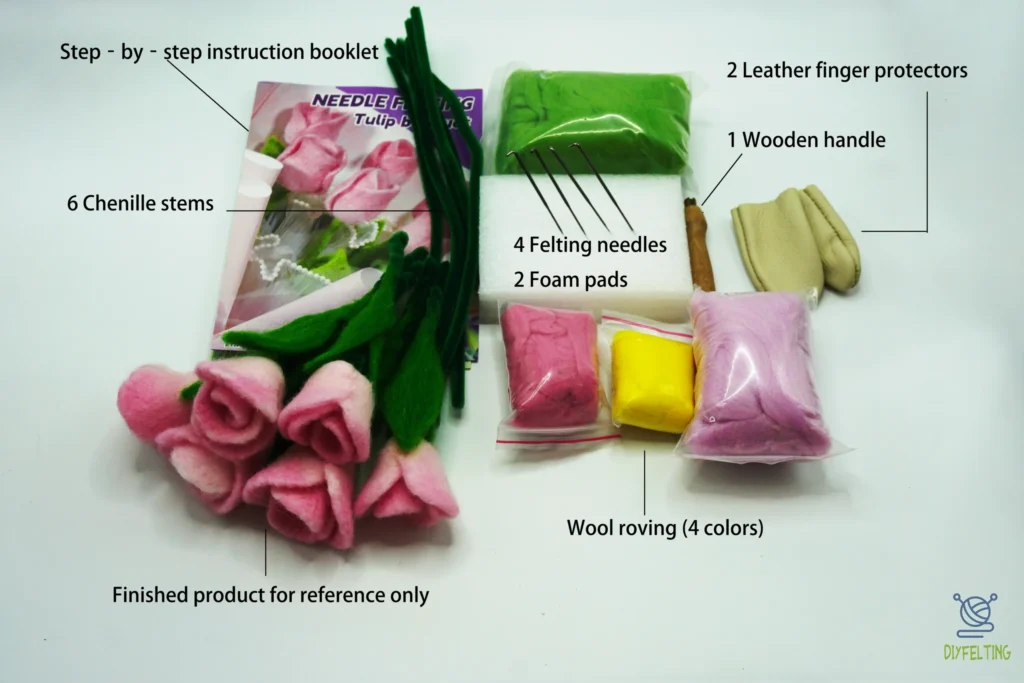
Let’s get practical. A typical complete needle felting starter kit for a specific project usually includes:
-
Pre-measured wool in the colours you need (no guessing quantities)
-
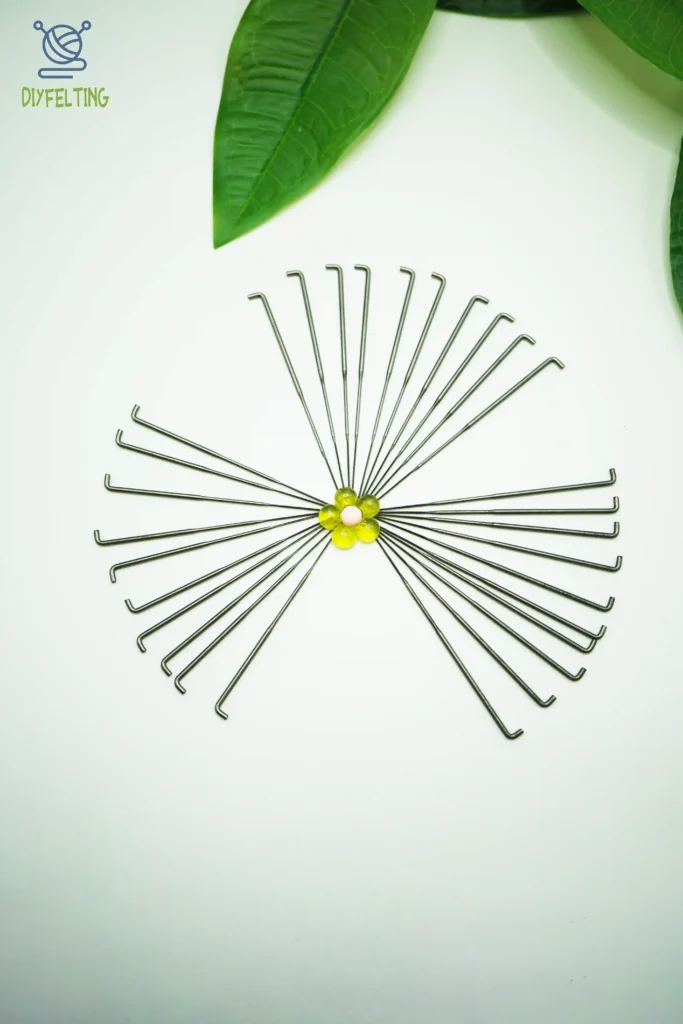
Felting needles (one or two, sometimes different gauges)
-
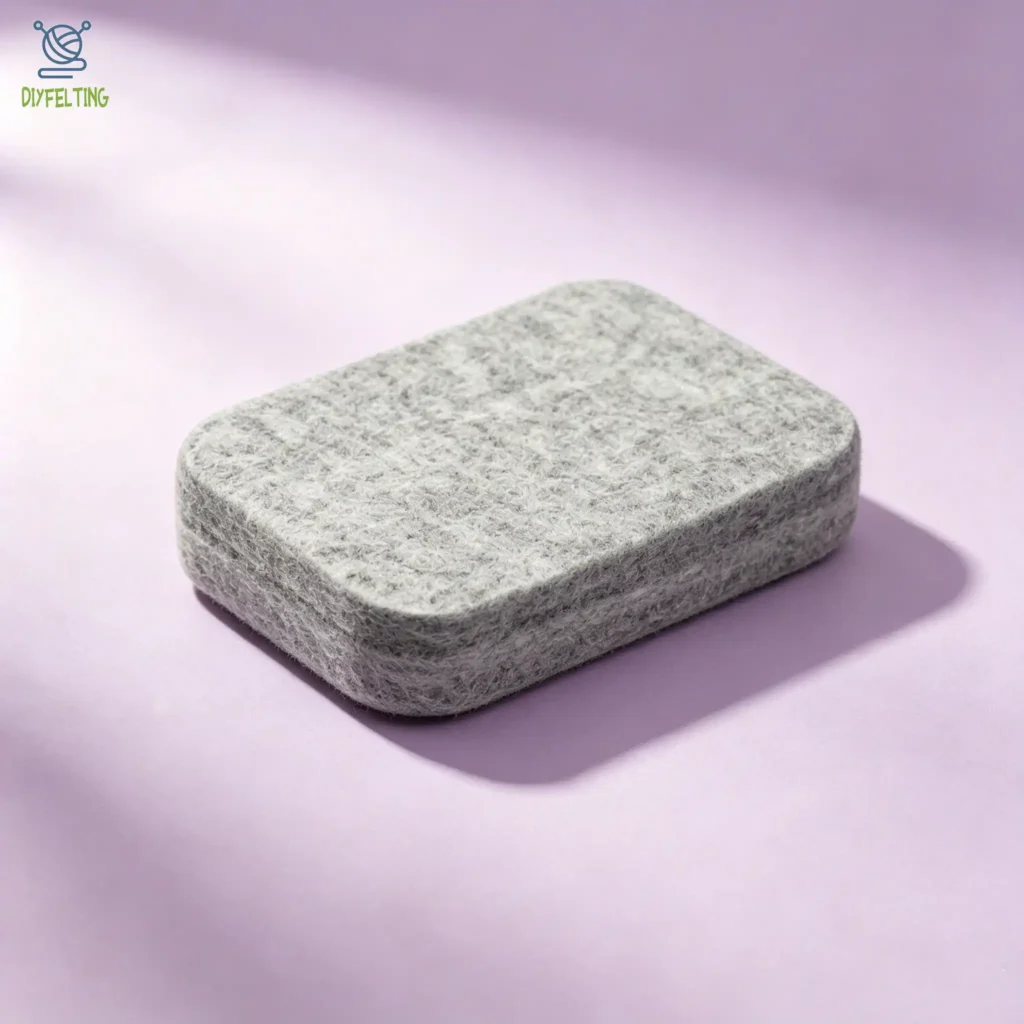
A foam mat or pad (essential for protecting your needles and work surface)
-
Step-by-step instructions or a video tutorial (this can make or break your experience)
-
Project extras like keyrings, brooch pins, or wire if the design requires them
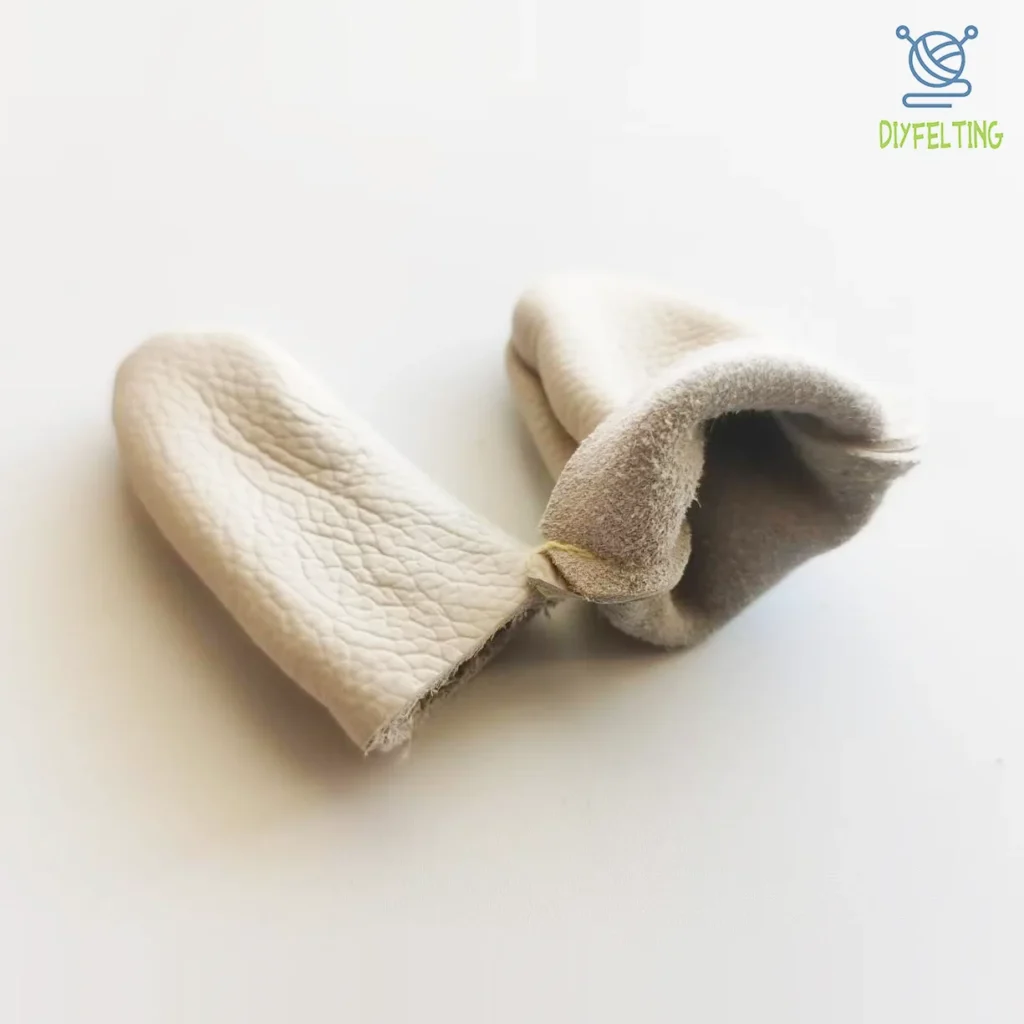
But not all kits are created equal. Some omit the mat or finger protectors. Some include only one needle gauge, making detailing difficult. And—most importantly—“beginner” labels aren’t always reliable. My dog kit was labelled “beginner,” but it was effectively an intermediate project.
Buying Supplies Separately: What You Get
When you buy separately, you’re in control. You choose:
Exact wool colours and fibre types (different sheep breeds produce different textures)
Needle gauges (lower numbers for coarse shaping, higher for fine details)
Your preferred mat (some like firm foam, others prefer wool pads)
Quantities—buy as much or as little as you need
This freedom is fantastic once you know what you like. But for a first-timer, it can be overwhelming. You might buy the wrong needle gauge, pick colours that don’t blend well, or underestimate how much wool a project actually requires.
Head-to-Head: Kit vs. Separate Supplies
| Factor | Starter Kit | Separate Supplies |
|---|---|---|
| Convenience | Everything in one box. Open and start. | You must source each item from different places. |
| Cost for one project | Usually cheaper (no overbuying). | Often more expensive because you buy larger quantities. |
| Learning curve | Instructions are project-specific, so you learn by doing. | You need to find tutorials that match your materials. |
| Creative freedom | Limited to the kit’s design. | Unlimited—you design whatever you want. |
| Long-term value | Tools and leftovers may go unused after the project. | Supplies are reusable and refillable, better for ongoing crafting. |
| Risk of failure | Low if you choose the right difficulty level. | High if you don’t know what you’re buying. |
So, Which Should You Choose?
Here’s my straightforward rule:
Choose a starter kit if:
-
You have never felted before and own no tools.
-
You want a guided, low-stress first project.
-
You’re unsure if you’ll enjoy the craft long-term.
-
You want to avoid the hassle of researching every material.
Buy supplies separately if:
-
You’ve already completed several kits and know your preferences.
-
You want to design your own original pieces.
-
You already own a mat, needles, and basic tools.
-
You plan to make multiple projects and want bulk wool for economy.
The Secret to a Successful First Kit: Match Your Level
My beanpole dog wasn’t a failure because kits are bad. It was a failure because I picked a project way above my ability. That’s why choosing the right kit is just as important as choosing between a kit and separate supplies.
At DIYfelting, we’ve taken this to heart. We design fail-proof kits for absolute beginners—projects that look great even if your technique is wobbly. As long as you can poke wool with a needle, you can finish them beautifully. We also grade our kits by skill level, so you can always pick a project that matches your actual experience. That way, your success rate goes way up—and you don’t end up with a beanpole dog on your first try.
A Quick Safety Note
Felting needles are extremely sharp. Always:
-
Use a mat.
-
Wear finger protectors.
-
Don’t force the needle—pull out and reposition if it sticks.
-
Store needles safely when not in use.
These small habits save your fingers and your needles.
The Final Verdict
If you’re a complete beginner, buy a starter kit—but be smart about it. Choose a simple, skill-appropriate project. Don’t be seduced by the most photorealistic creature on the shelf. Pick the flower, the mushroom, or the chubby cartoon animal. That kit will be your training wheels.
Once you’ve made a few pieces, once you understand how wool responds and which tools you actually reach for—then graduate to buying supplies separately. That’s when you become the master of your own designs.
My skinny, wonky dog still sits on my shelf today. It reminds me that starting with the wrong kit was a mistake—but it was a mistake that taught me exactly what I needed to know. And my husband’s little sheep? That’s the trophy that proves the right kit can turn a beginner into a lifelong felter.
So start smart, start small, and don’t be afraid to make something imperfect. Every expert was once a beginner who kept poking.